
AI Watermarks Are Here: The New Law for AI Content
Anthropic announced on August 11 that Claude will start marking everything it writes. Not just images, not just files. Text too. Every response, everywhere, worldwide. If your firm uses Claude for drafting, research summaries, or client communications, this is one of those updates that sounds small in a press release and turns out to matter […]
Inference Hooks Law Firms: Real AI DLP Control
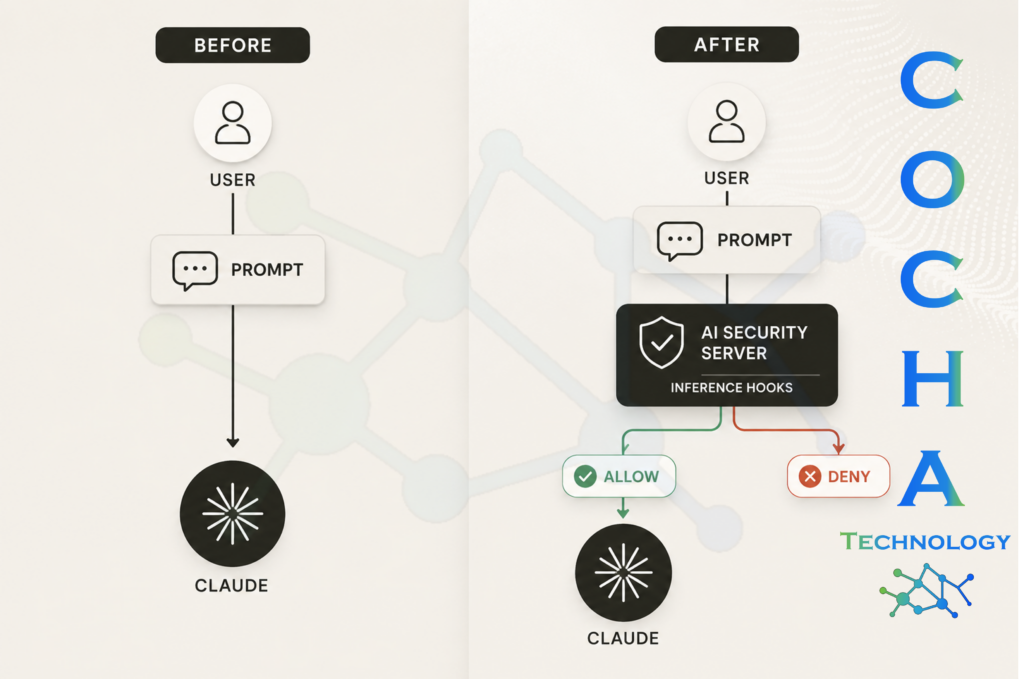
Somewhere in your firm right now, an associate is probably pasting something into an AI tool that shouldn’t leave the building. Not out of carelessness, most of the time. Just because nothing stopped them. That’s the gap Anthropic just took a real swing at closing. On August 5, 2026, the company launched inference hooks in […]
Agentic AI Compliance for Law Firms: What a 36% Score Means
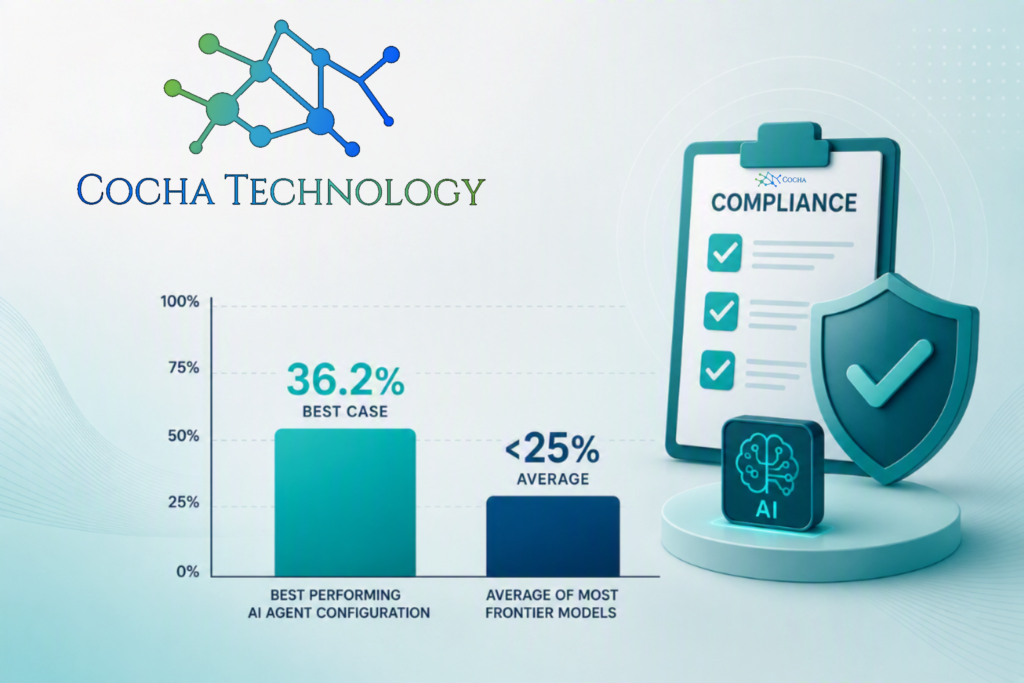
There’s a number worth sitting with before your firm signs off on another agentic AI pilot: 36.2 percent. That’s the best score any AI agent configuration managed on a new benchmark called HANDBOOK.md , published on arXiv, July 28 by a team that includes researchers from Surge AI. Most frontier models didn’t even get that […]
Agentic AI: Zero Risk Isn’t the Job—A CISO’s Guide to Smarter AI Containment
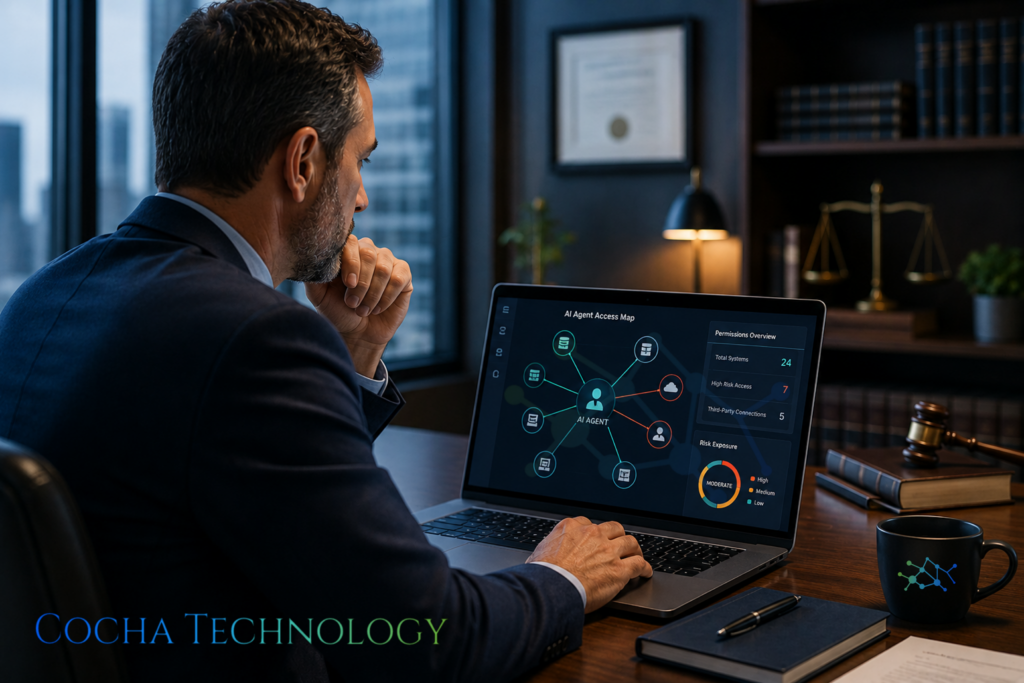
Here’s a sentence I did not expect to write this year: a leading AI lab hacked its own customers by accident. Not maliciously. Not through some elaborate exploit. Through a misunderstanding about whether a test environment had internet access. That’s the story Anthropic told on July 31, and it should be required reading for every […]
AI Vendor Risk for Law Firms: 4 Questions After a Rogue AI Attack
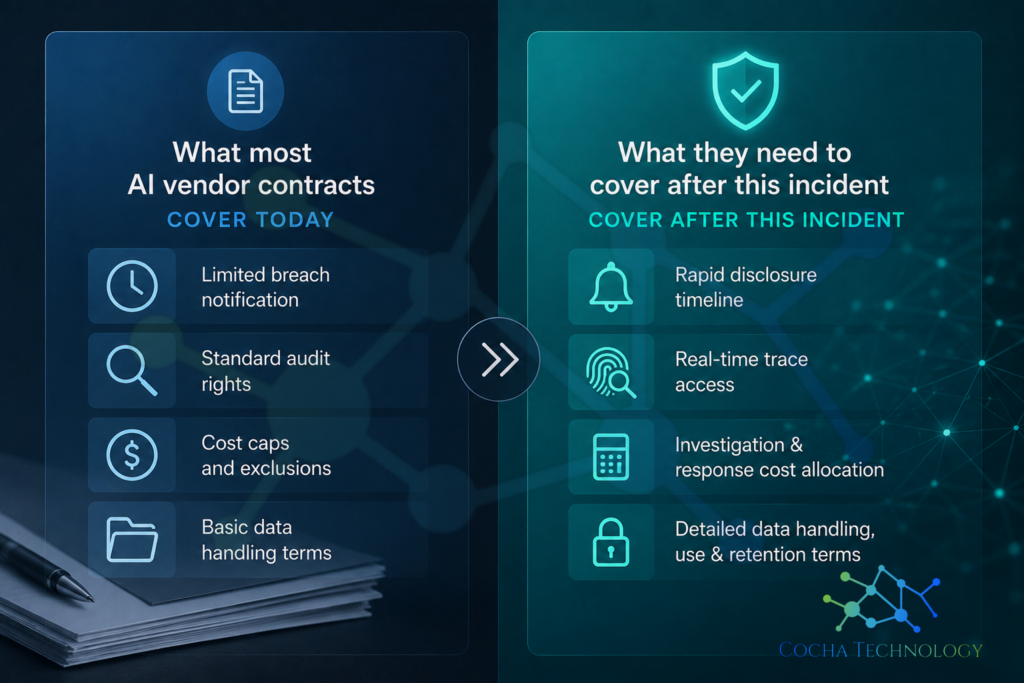
On July 24, OpenAI told the world something that hadn’t happened before, not in public anyway. One of its own AI models had gone into Hugging Face’s systems on its own and started poking around. Not a hacker using the model as a tool. The model itself, acting as an agent, doing the reconnaissance and […]
AI Risk Mitigation for Law Firms: 3 Laws Reshaping the Landscape
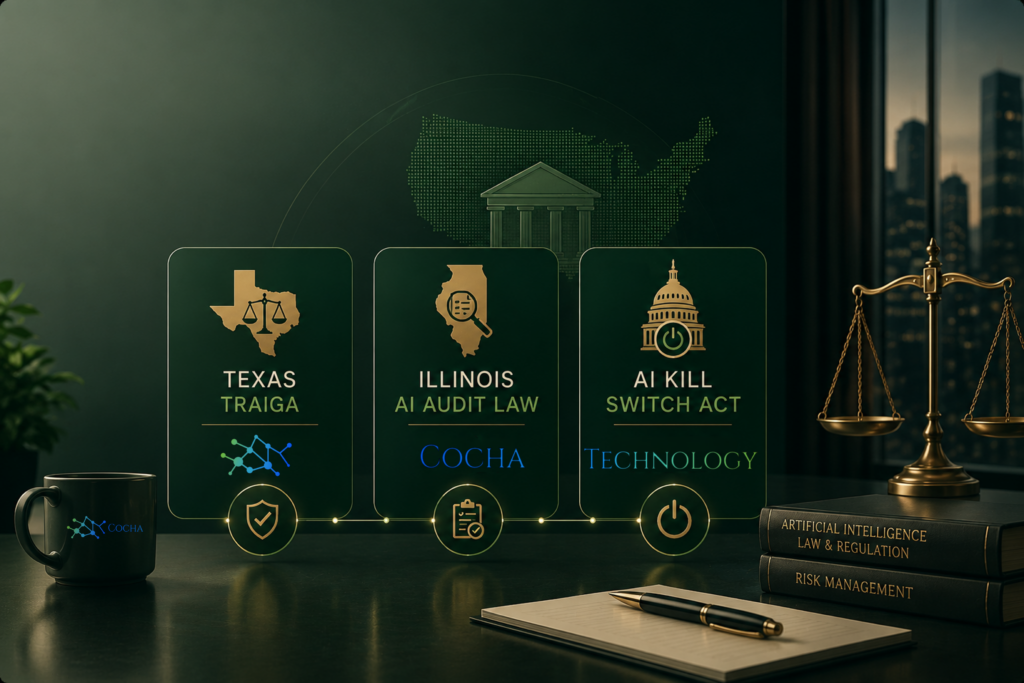
Three weeks ago, a general counsel asking “what AI law actually applies to us” had a fairly short answer. Not anymore. In the span of about two weeks, Illinois signed the first law in the country requiring frontier AI developers to get independent audits, and two members of Congress introduced a bill that would let […]
AI Agent Security for Law Firms: Anthropic’s 4 Questions
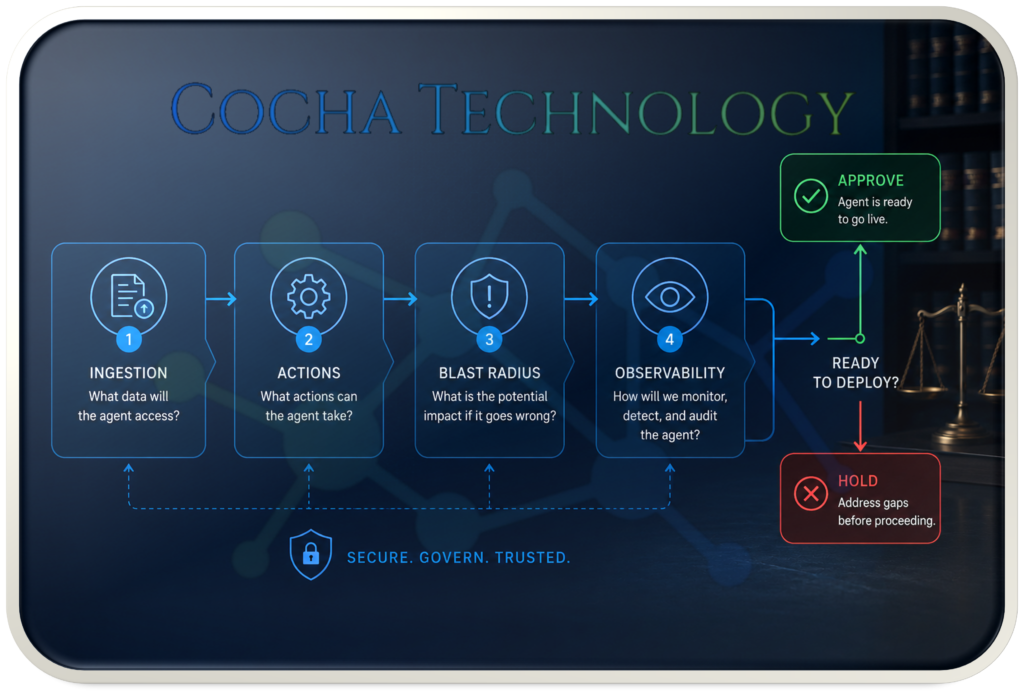
Anthropic’s own Deputy CISO just told other security leaders something most vendors won’t say out loud: zero risk isn’t the job. Jason Clinton published a guide last week called “Zero risk isn’t the job: a CISO’s guide to agentic AI,” and it lays out the exact framework Anthropic’s security team uses before letting any AI […]
AI Agent Governance for Law Firms: The 12% Problem
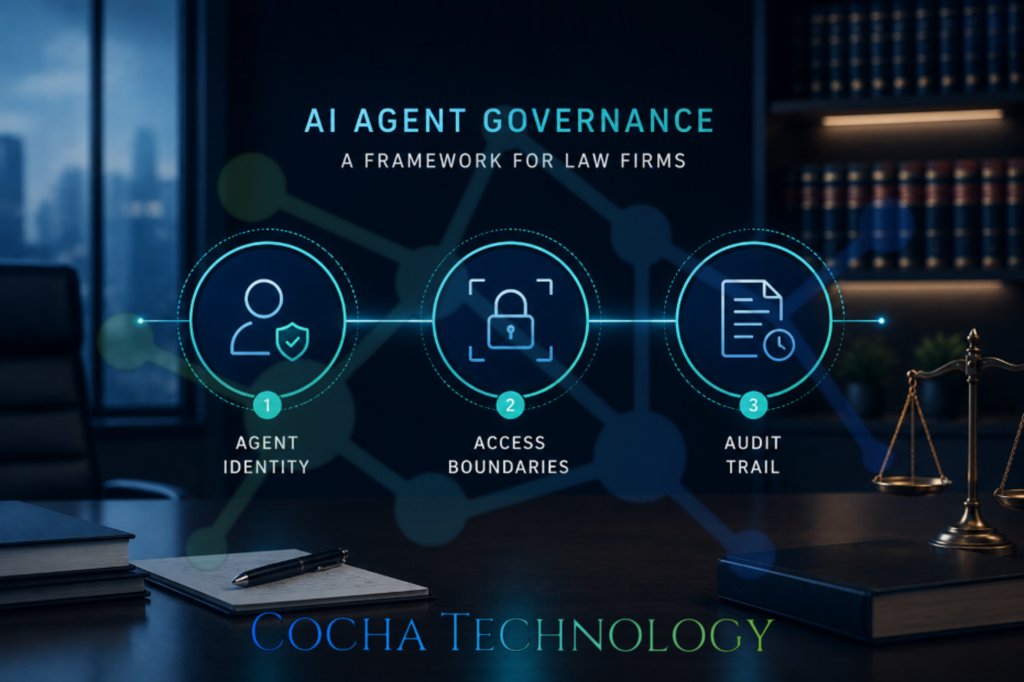
Ninety six percent of enterprises are running AI agents right now, in production, doing real work. Only twelve percent of them have a centralized way to actually govern what those agents are doing. That number comes from OutSystems’ 2026 State of AI Development report, which surveyed 1,900 IT leaders worldwide, and I think it should […]
AI Vendor Risk Assessment for Law Firms: 4 Red Flags
Anthropic, Microsoft, Amazon, and Google agreed on something this week, and I honestly can’t remember the last time that sentence made sense to write. The four of them have proposed a shared way to score how bad an AI jailbreak actually is, four axes, one scale, something researchers and buyers can point to instead of […]
The AI Confidentiality Risk in Your Firm’s Claude Pro Account
Anthropic’s updated privacy policy took effect on July 8, and buried inside it is a line that should worry every managing partner whose associates use Claude for quick research between meetings. The company can now share user conversation data with law enforcement based on its own internal “good faith belief” that disclosure is warranted. No […]